
Indiana's Do Not Call laws, guided by federal TCPA regulations, protect residents from unwanted telemarketing calls, especially in the voice commerce sector. Businesses must obtain explicit consent for automated calls and implement robust do-not-call practices to avoid legal liabilities. Key steps include strict opt-in mechanisms, clear instructions for opting out, consent agreements with Do Not Call attorneys Indiana, and data analytics to track voice interactions. These laws evolve with technology, requiring businesses to balance innovative marketing with consumer rights protection. Compliance enhances reputations, customer relationships, and mitigates risks associated with violations. Consult a Do Not Call attorney Indiana for tailored guidance on navigating these complex regulations effectively.
The intersection of Do Not Call laws and Voice Commerce presents a complex landscape for businesses and consumers alike, particularly in Indiana. As voice assistants become more ubiquitous, the traditional boundaries between telemarketing and personal privacy blur, creating a need for nuanced understanding and compliance. This article delves into this intricate web, exploring how Do Not Call attorneys in Indiana are navigating these changes to ensure both consumer protection and legitimate commerce. We dissect legal interpretations, emerging trends, and best practices to provide valuable insights for businesses aiming to harness voice technology while respecting individual privacy rights.
Understanding Do Not Call Laws in Indiana

In Indiana, Do Not Call laws play a critical role in protecting residents from unwanted telemarketing calls, especially with the rise of voice commerce—a rapidly growing sector in the state's business landscape. These laws are designed to safeguard consumers' privacy and provide them with control over their communication channels. Understanding these regulations is essential for businesses, particularly those operating within the voice commerce space, to ensure compliance and maintain customer trust.
Indiana's Do Not Call laws, like many others across the nation, are primarily governed by federal regulations, such as the Telephone Consumer Protection Act (TCPA). However, state-specific nuances require close attention. The TCPA prohibits telemarketers from calling phone numbers on a state's "Do Not Call" list without prior express consent. In Indiana, residents can register their telephone numbers with the Indiana Utility Regulatory Commission (IURC) to opt out of unsolicited sales calls. This process empowers individuals to take control of their communication preferences and significantly reduces nuisance calls.
For businesses engaging in voice commerce, a critical step is to implement robust do-not-call practices. This includes obtaining explicit consent from customers before initiating automated or prerecorded calls. A 'do not call' attorney Indiana can provide invaluable guidance on navigating these legal requirements, ensuring compliance, and mitigating potential liabilities associated with non-compliance. By adhering to these laws, voice commerce businesses can foster a positive reputation, enhance customer relationships, and avoid costly legal battles.
Voice Commerce: A New Sales Frontier

Voice commerce, driven by virtual assistants and smart speakers, represents a new sales frontier with immense potential. As consumers increasingly interact with technology for daily tasks, businesses are exploring voice as a direct marketing channel. However, navigating this emerging landscape requires careful consideration of existing regulations, particularly Do Not Call laws. In Indiana, these laws not only protect residents from unwanted phone calls but also extend to voice interactions, including automated messages and IVR systems.
Do Not Call attorneys in Indiana play a crucial role in ensuring compliance as businesses venture into voice commerce. With the rise of smart speakers and virtual assistants, traditional notions of "call" need redefinition. A simple voice command can trigger an automated response, potentially triggering legal implications if not handled correctly. For instance, a study by Consumer Reports found that nearly 40% of U.S. adults use smart speakers daily, highlighting the urgency for businesses to adapt their marketing strategies accordingly.
Practical insights for businesses venturing into voice commerce include implementing strict opt-in mechanisms and providing clear, easy-to-follow instructions for opting out. Do Not Call attorneys can assist in crafting consent agreements that meet legal standards while ensuring consumer privacy. Additionally, leveraging data analytics to track and analyze voice interactions can help businesses refine their marketing efforts, enhancing customer experience while adhering to regulatory requirements. Ultimately, success in this new sales frontier demands a harmonious balance between innovative marketing strategies and respect for consumer rights.
The Legal Framework for Telemarketing in IN

In Indiana, the legal framework governing telemarketing activities is designed to protect consumers from unwanted phone calls while facilitating legitimate business practices. The state's Do Not Call laws, enforced by the Indiana Utility Regulatory Commission (IURC), mirror federal regulations under the Telephone Consumer Protection Act (TCPA). These laws mandate that businesses obtain explicit consent before placing automated or prerecorded calls to consumers and provide individuals with the right to opt-out of future calls. Failure to comply can result in significant penalties, including substantial fines assessed by the IURC.
Do Not Call attorneys in Indiana play a crucial role in ensuring compliance for both local and national businesses operating within the state. These legal experts navigate the intricate web of regulations, helping companies craft effective consent mechanisms and implement robust do-not-call lists. For instance, a leading voice commerce company, specializing in automated customer service calls, partnered with a Do Not Call attorney to review its marketing strategies. Through their guidance, the company implemented opt-out mechanisms during initial interactions and updated its internal databases to reflect consumer preferences, significantly reducing complaints and enhancing customer satisfaction.
Moreover, Indiana's legal framework encourages businesses to embrace best practices that go beyond mere compliance. Attorneys advise companies to invest in sophisticated call routing systems and data management platforms to efficiently handle consumer opt-outs. This proactive approach not only mitigates legal risks but also fosters trust among customers. By understanding the intricate legal landscape, Do Not Call attorneys empower businesses to leverage voice commerce effectively while respecting consumer privacy and preferences. As Indiana continues to evolve as a hub for technological innovation, these legal experts will remain integral to shaping a balanced and consumer-centric telemarketing environment.
Navigating Do Not Call Attorney Services
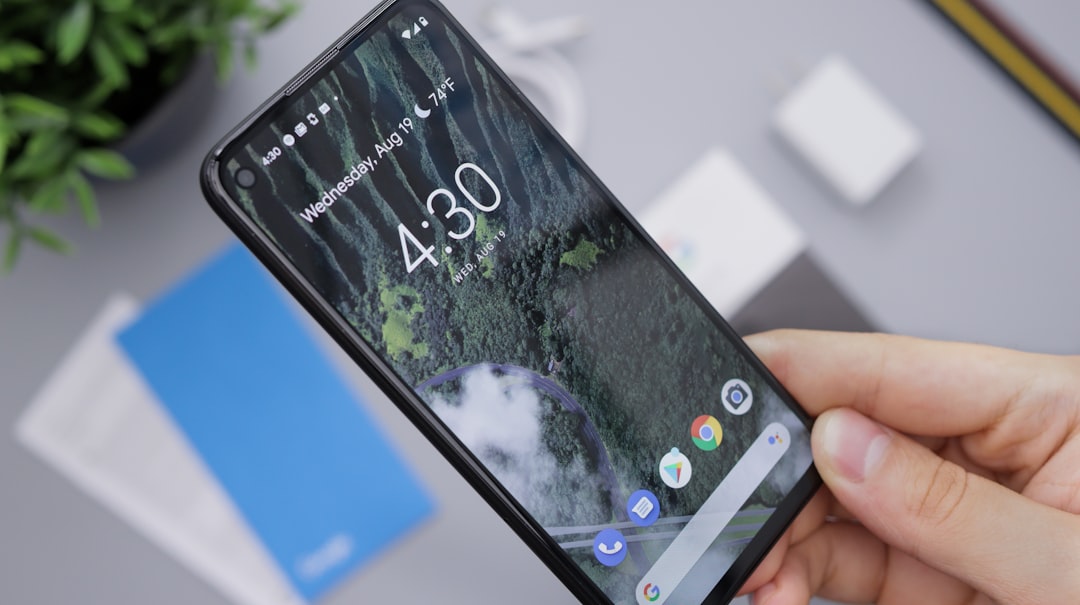
In Indiana, as across the nation, the intersection of Do Not Call laws and voice commerce—particularly automated calls from businesses—is a dynamic area requiring careful navigation. For companies utilizing voice commerce technologies to reach customers, understanding the legal implications of these calls is paramount. One critical aspect often involves engaging Do not call attorney services in Indiana to ensure compliance with state regulations.
Indiana's Do Not Call Act, like similar laws nationwide, restricts unsolicited telemarketing calls to residents who are on the Do Not Call list. Violations can result in substantial fines and damage to a company's reputation. To mitigate these risks, businesses should seek guidance from qualified Do not call attorney Indiana firms that specialize in navigating this complex landscape. These attorneys can help craft compliant marketing strategies, advise on best practices for consumer consent, and represent companies in case of enforcement actions or litigation.
For instance, a study by the Federal Trade Commission (FTC) revealed that 83% of consumers listed unwanted telemarketing calls as their top complaint. This underscores the importance of prioritizing Do Not Call compliance. Companies employing automated voice systems must ensure clear and conspicuous opt-out mechanisms during initial interactions to respect consumer preferences. By proactively engaging Do not call attorney services in Indiana, businesses can safeguard their operations, maintain customer trust, and avoid costly legal pitfalls. Expert guidance is essential to stay ahead of evolving regulations and protect against potential violations that could disrupt voice commerce activities.
Best Practices for Businesses: Respecting Consumer Preferences

In Indiana, businesses navigating voice commerce—the growing trend of customer interactions via automated phone calls and voice assistants—must also adhere to strict Do Not Call laws. Respecting consumer preferences is not just a legal imperative; it's a best practice that fosters trust and strengthens brand reputation. According to the Indiana Department of Professional Licensing, certain industries are exempt from state Do Not Call regulations, but businesses engaging in telemarketing activities must still observe federal rules set by the Telephone Consumer Protection Act (TCPA).
A key aspect for businesses is ensuring consumers opt-in to receive calls or messages. This begins with clear and concise consent mechanisms during initial customer interactions. For instance, when setting up a new account or making an online purchase, customers should be presented with options to agree to marketing communications via automated voice calls. It's also crucial to provide a simple way for consumers to opt-out at any time, such as through a dedicated 'Stop Calling' number or opt-out links in messages. A Do not call attorney Indiana recommends maintaining meticulous records of consent and opt-outs to demonstrate compliance with TCPA regulations.
Additionally, businesses should segment their customer bases effectively. Personalized messaging that aligns with individual preferences can significantly enhance engagement without infringing on privacy. Using analytics to track consumer interactions and behavior allows for more targeted voice commerce campaigns. For example, a retail business could automate calls reminding customers about pending orders or abandoned carts, ensuring these communications are received by the right people at the right time. By prioritizing consumer choice and tailoring interactions, businesses can maximize the benefits of voice commerce while upholding legal standards in Indiana.